6 Industries That Rely on Crane Services
Heavy lifting plays an essential role in industries where materials, equipment, or structural components are too large or too heavy to move with conventional machinery. From construction sites to industrial facilities, cranes make it possible to position loads accurately while supporting efficient project schedules. Professional crane services can provide the equipment, lifting capacity, and experienced support needed for demanding jobs that require careful planning and controlled movement.
According to Future Market Insights, the global crane rental market is projected to grow at a compound annual growth rate of 7.0% and reach a value of $131.6 billion by 2035. That anticipated growth reflects how important cranes have become across a wide range of industries. Different sectors rely on lifting equipment for unique purposes, whether they are setting structural steel, relocating machinery, maintaining utilities, or moving heavy materials. Here are six industries where cranes continue to play an important operational role.
1. Construction
Supporting Structural Steel Placement
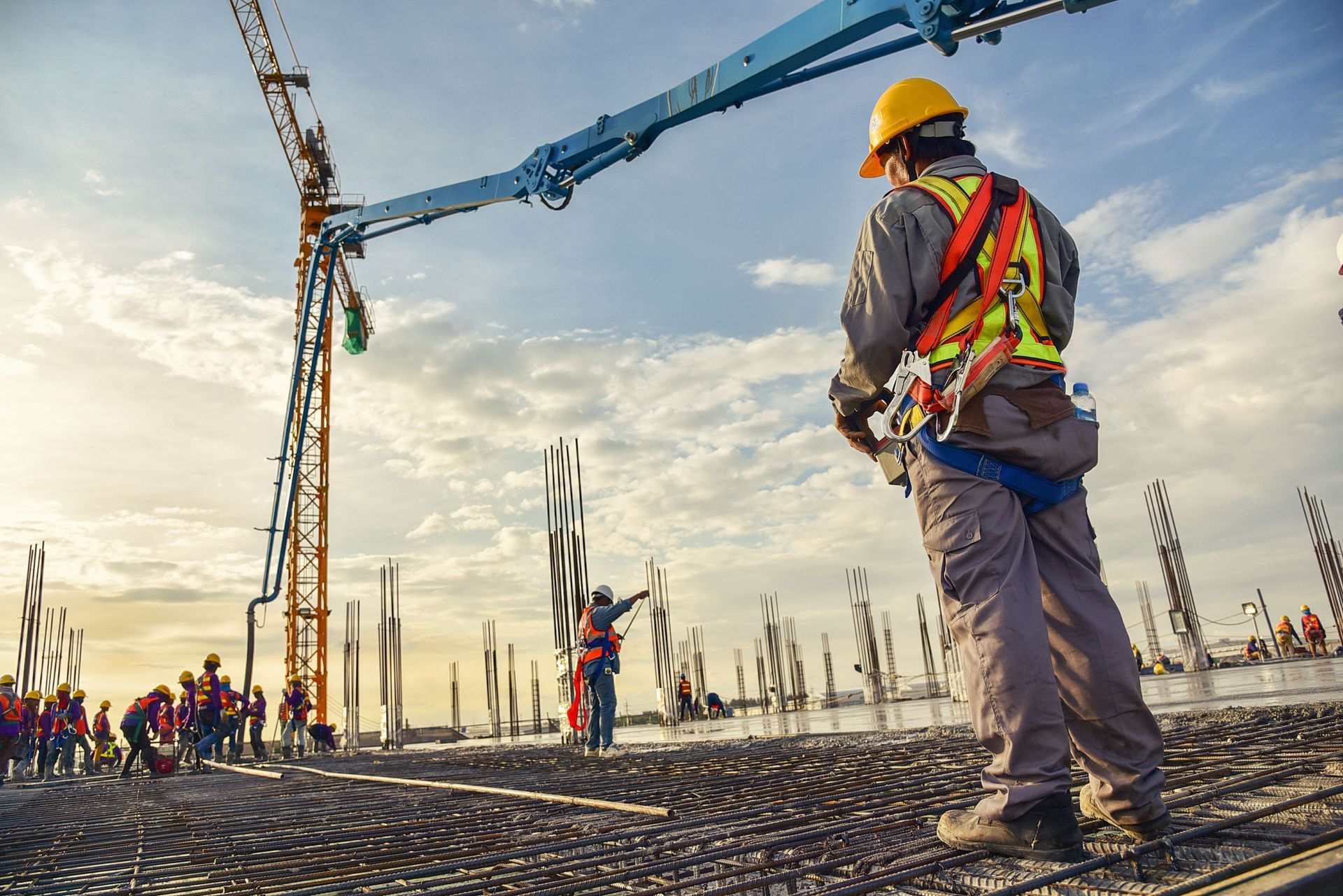
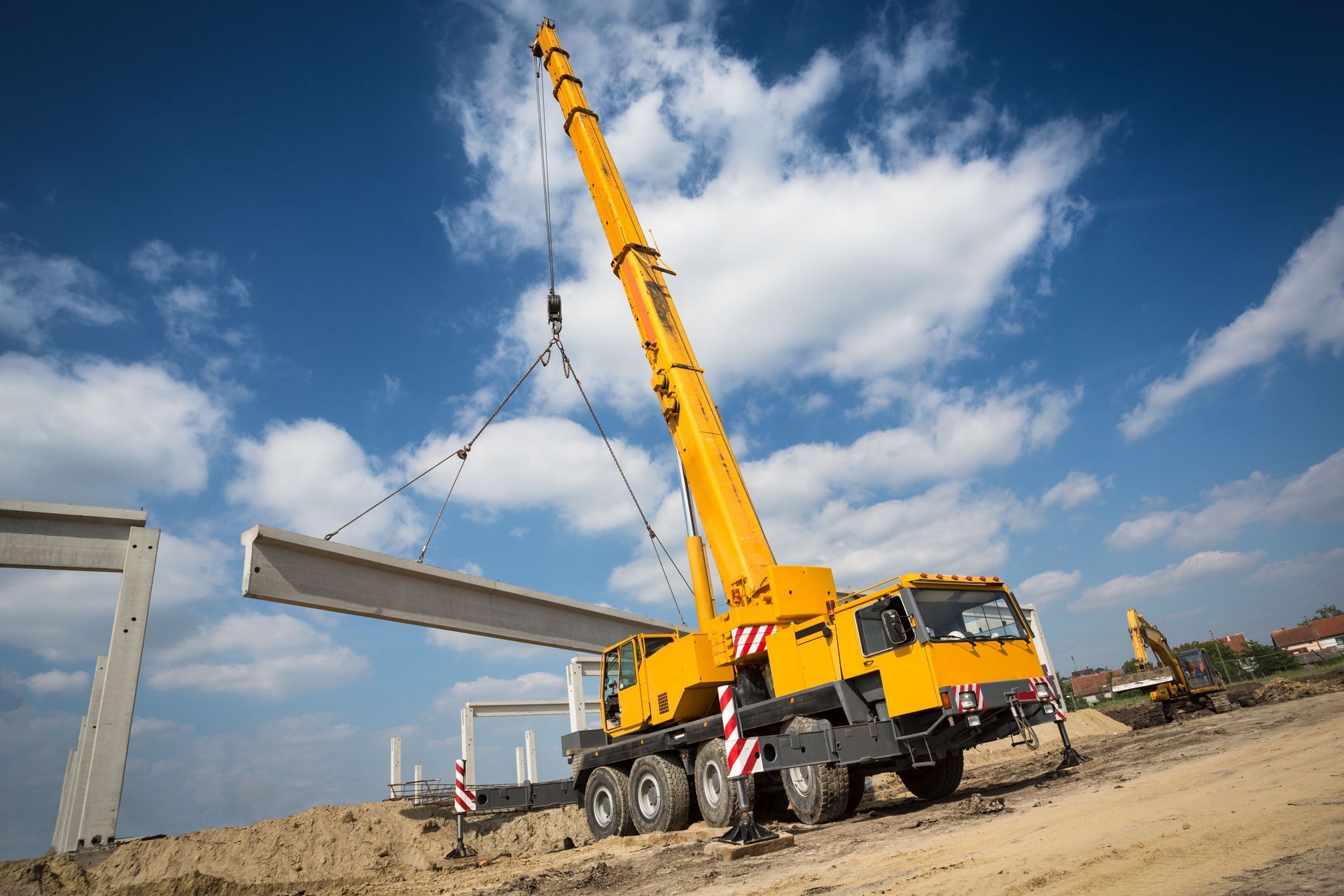
Commercial and industrial construction projects often depend on cranes to lift structural steel into position. Beams and other large components may need to be raised several stories and placed within tight tolerances. Crane services help construction crews handle these heavy materials while maintaining an organized workflow around the jobsite.
Supporting Roofing Material Placement
Large roofing materials, trusses, and mechanical units can be difficult to move safely to upper levels of a building. Cranes allow these materials to be lifted directly to the work area, reducing the need for extensive ground handling and helping crews keep projects moving.
Supporting Prefabricated Components
Modern construction increasingly uses prefabricated wall sections, concrete panels, modular units, and other large assemblies. These pieces may arrive ready for installation, but still require specialized lifting equipment. Cranes provide the reach and lifting power necessary to place them accurately within the developing structure.
Supporting Site Efficiency
Construction sites often involve limited space, multiple contractors, and tightly coordinated schedules. The ability to move heavy materials from one location to another can reduce delays and keep work progressing. Professional lifting support becomes especially valuable when access is restricted or when loads are unusually large.
2. Manufacturing
Supporting Machinery Installation
Manufacturing facilities often rely on large equipment that cannot be moved with ordinary forklifts. Presses, production lines, industrial machinery, and other heavy components may require crane services during installation, relocation, or replacement. Controlled lifting helps position machinery where it can be integrated with surrounding systems.
Supporting Equipment Relocation
Factories periodically reorganize production areas as processes change or new equipment is introduced. Relocating heavy machinery within a facility can be challenging because of weight, dimensions, and limited clearance. Cranes can support these moves when other material-handling equipment is not suitable.
Supporting Maintenance Operations
Industrial maintenance may involve removing motors, tanks, mechanical assemblies, or other large components for repair. Crane assistance can provide the lifting capacity needed to access these parts without dismantling more of the surrounding equipment than necessary.
Supporting Production Expansion
When manufacturers expand capacity, they may need to install additional equipment or modify existing production lines. Lifting support can help keep these projects organized by moving heavy components into position while minimizing disruption to surrounding operations.
3. Energy and Utilities
Supporting Utility Equipment Placement
Electrical infrastructure frequently includes transformers, poles, generators, and other large components. Crane services can help utility crews lift and position this equipment during construction, replacement, or repair projects, especially when components must be placed in difficult-to-reach locations.
Supporting Power Generation Projects
Power plants and other energy facilities contain substantial mechanical and electrical equipment. Turbines, generators, piping assemblies, and replacement components may require specialized lifting during installation or maintenance. Cranes allow crews to manage these loads with greater control.
Supporting Renewable Energy Projects
Wind, solar, and other renewable energy developments can involve heavy structural and electrical components. Cranes may be used to place equipment, support tower assembly, or assist with maintenance. These projects often require both significant lifting capacity and precise positioning.
Supporting Emergency Restoration
Storms and equipment failures can damage utility infrastructure and create urgent repair needs. Heavy lifting equipment may be required to remove damaged components or install replacements. Reliable access to cranes can support restoration work when speed and coordination are especially important.
4. Transportation and Infrastructure
Supporting Bridge Construction
Bridge projects involve large structural components that must be moved and positioned carefully. Girders, concrete sections, reinforcement materials, and other heavy pieces often require crane services during installation. The ability to work across varying elevations and distances makes cranes especially useful for infrastructure projects.
Supporting Roadway Projects
Road construction can involve large signs, drainage structures, concrete barriers, lighting equipment, and prefabricated components. Cranes can help move these materials into position while crews coordinate work around active or partially closed transportation corridors.
Supporting Rail Projects
Rail systems rely on heavy equipment and infrastructure that occasionally require replacement or relocation. Cranes may assist with track components, signal structures, maintenance equipment, or other materials that cannot be handled efficiently through smaller machinery alone.
Supporting Facility Improvements
Airports, transit centers, and other transportation facilities frequently undergo expansions or renovations. These projects can involve structural additions, mechanical equipment, and large architectural elements. Lifting equipment helps contractors move major components while working around complex sites.
5. Telecommunications
Supporting Tower Construction
Telecommunication towers require heavy sections, antennas, and related components to be lifted to significant heights. Crane services can support assembly by positioning structural sections and equipment where installation crews can secure them safely and efficiently.
Supporting Antenna Replacement
Wireless infrastructure changes as technology evolves. Existing antennas and equipment may need to be removed and replaced with updated components. Cranes provide the reach necessary to access elevated structures while supporting carefully coordinated equipment changes.
Supporting Equipment Upgrades
Telecommunications facilities may also need generators, shelters, cabinets, and other ground-based equipment installed or replaced. Some components are too heavy for conventional handling methods, making crane support an important part of site upgrades.
Supporting Network Expansion
Expanding wireless coverage often requires new towers, equipment, and supporting infrastructure. Cranes can help contractors complete major lifts efficiently, allowing installation teams to focus on assembly and system integration once equipment reaches the correct position.
6. Commercial and Industrial Facilities
Supporting HVAC Installation
Large commercial buildings frequently use rooftop HVAC equipment that cannot be moved into place through interior spaces. Crane services can lift packaged units, chillers, and related mechanical equipment directly to rooftops, allowing contractors to complete replacements and new installations more efficiently.
Supporting Generator Placement
Hospitals, warehouses, data centers, and other facilities may rely on large backup generators. These systems can be extremely heavy and require careful positioning near utility connections or designated equipment areas. Cranes can help move generators into place without unnecessary handling.
Supporting Tank and Vessel Installation
Industrial properties may contain tanks, pressure vessels, storage systems, or other large components. Their dimensions and weight can make conventional movement impractical. Lifting equipment allows these items to be raised and positioned within facilities or outdoor production areas.
Supporting Facility Renovations
Renovation projects sometimes require removing outdated equipment before new systems can be installed. Cranes can support both removal and replacement work, particularly when components must move through rooftops, exterior openings, or restricted areas that conventional equipment cannot easily reach.
Construction, manufacturing, energy, transportation, telecommunications, and commercial facilities all depend on heavy lifting to keep projects moving safely and efficiently. Professional crane services can support everything from structural installation and machinery relocation to equipment replacement and infrastructure improvements. For dependable lifting support backed by experience and the right equipment for demanding projects, contact JT Crane Service today to discuss your upcoming job and determine the appropriate solution for your lifting needs.

Share On: